Echoes of the Swahili Coast
This three-day tour traces over 600 years of history along one of the world’s most storied coastlines
Kenya’s coast holds centuries of history shaped by trade, faith and culture … from mysterious cave systems and sacred Mijikenda forests to the ruined cities of the Swahili civilization. Over three days, this tour follows the footsteps of Arab traders, Portuguese colonisers and the local communities who have shaped this region since the 14th century. Each stop reveals a different layer of that story: archaeological sites, places of worship and natural wonders that remain alive today.
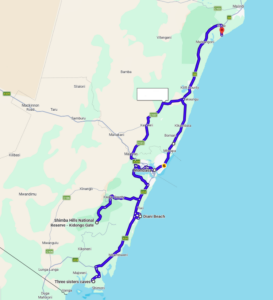
Watamu to Diani
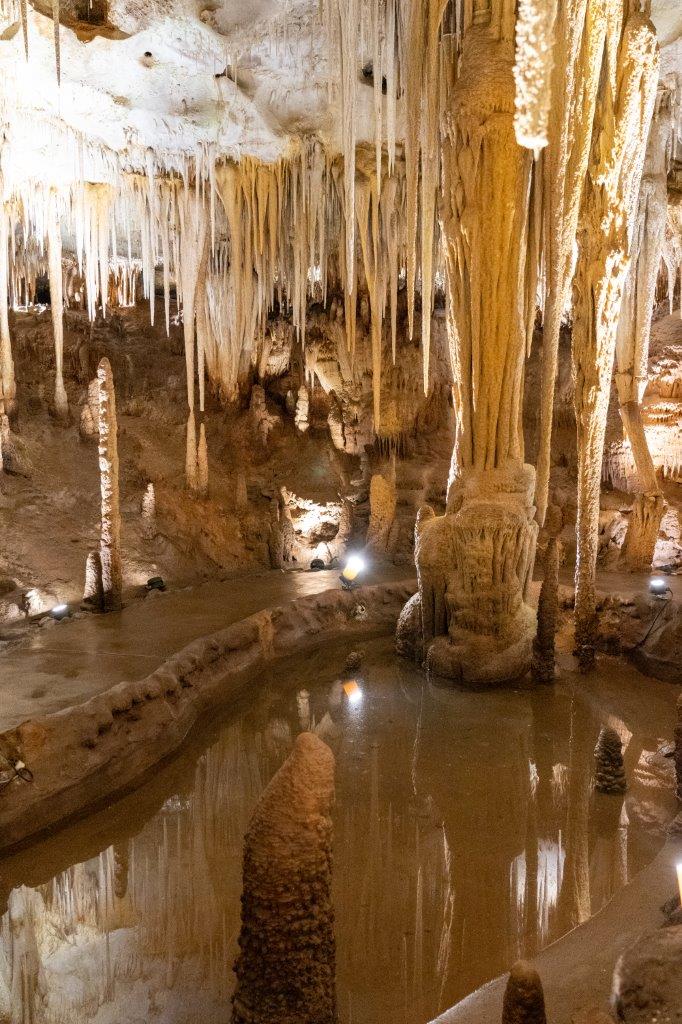
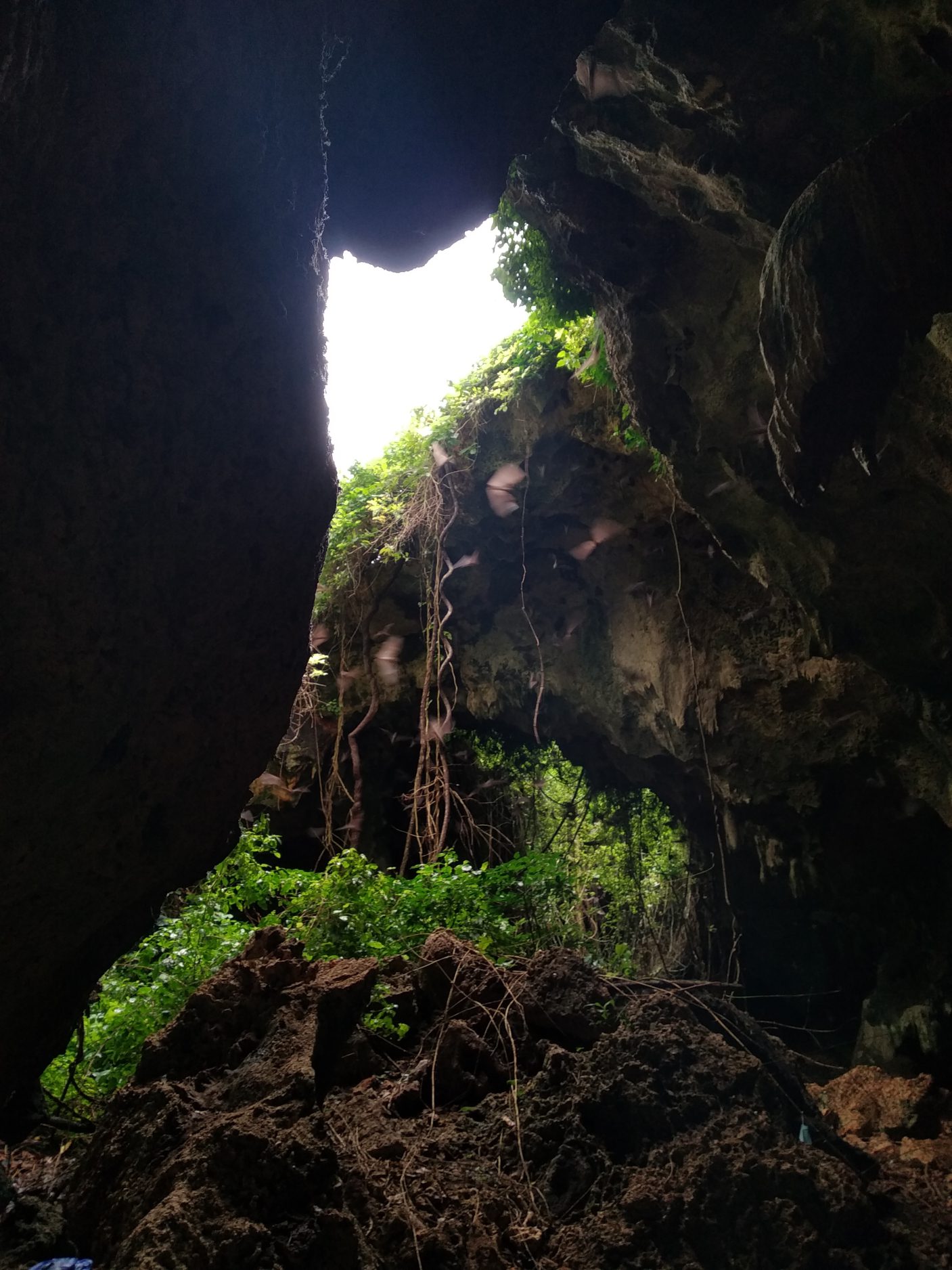
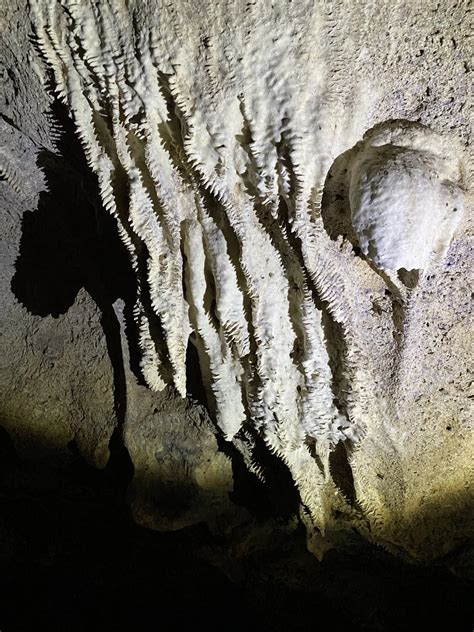
The Chasimba Caves in the Kilifi region are among the most striking underground formations on the coast. Historically used by local communities as a place of refuge, they still feature in local stories and traditions today. Their dramatic limestone formations make for a memorable start to the journey.
Kaya forests are sacred sites of the Mijikenda people, established from the 16th century onward as fortified settlements and spiritual centres. Though the settlements were abandoned by the 1940s, they are still regarded today as the abode of ancestors and are maintained as sacred sites by councils of elders. A visit here offers a window into living culture and centuries-old spiritual practice.
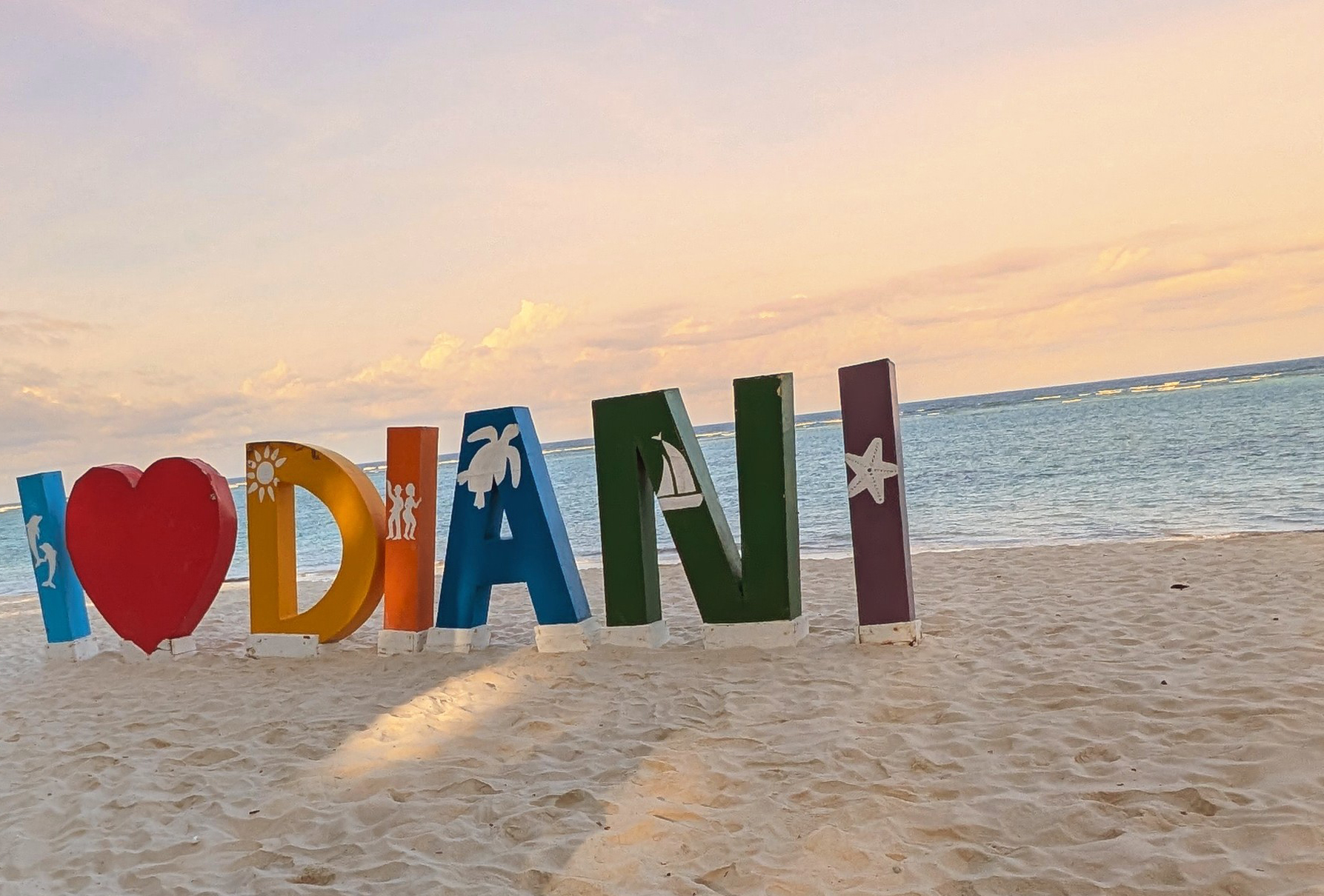
Diani Beach … overnight stay
Beyond its famous white-sand beach, Diani marks the transition into the southern coastal region, with its own historical traces nearby, including the remains of older Swahili settlements along this stretch of coast. It’s a fitting place to rest after a day spent among caves and forests.
Diani to Mombasa
The Three Sisters Caves at Shimoni are closely tied to the history of the East African slave trade, having reportedly been used to hold captives before they were transported across the Indian Ocean. Visiting this site offers a sobering look into one of the darker chapters of coastal history.
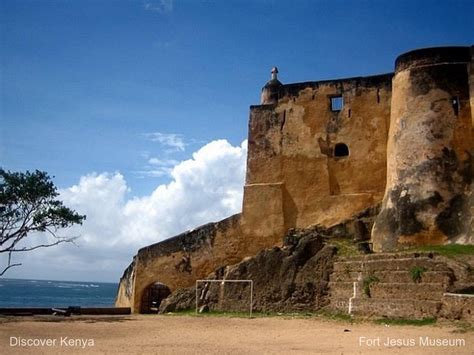
Built by the Portuguese in the late 16th century, Fort Jesus is a UNESCO World Heritage Site and one of the best-preserved examples of Portuguese military architecture in Africa. Over the centuries it changed hands between the Portuguese, Omani Arabs and the British, and today it houses artefacts that trace this turbulent history.
Mombasa … overnight stay
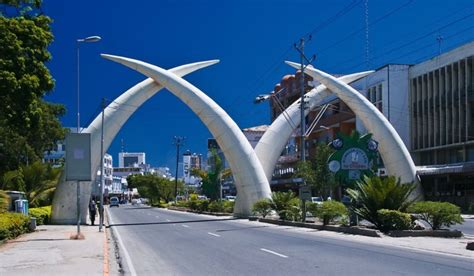
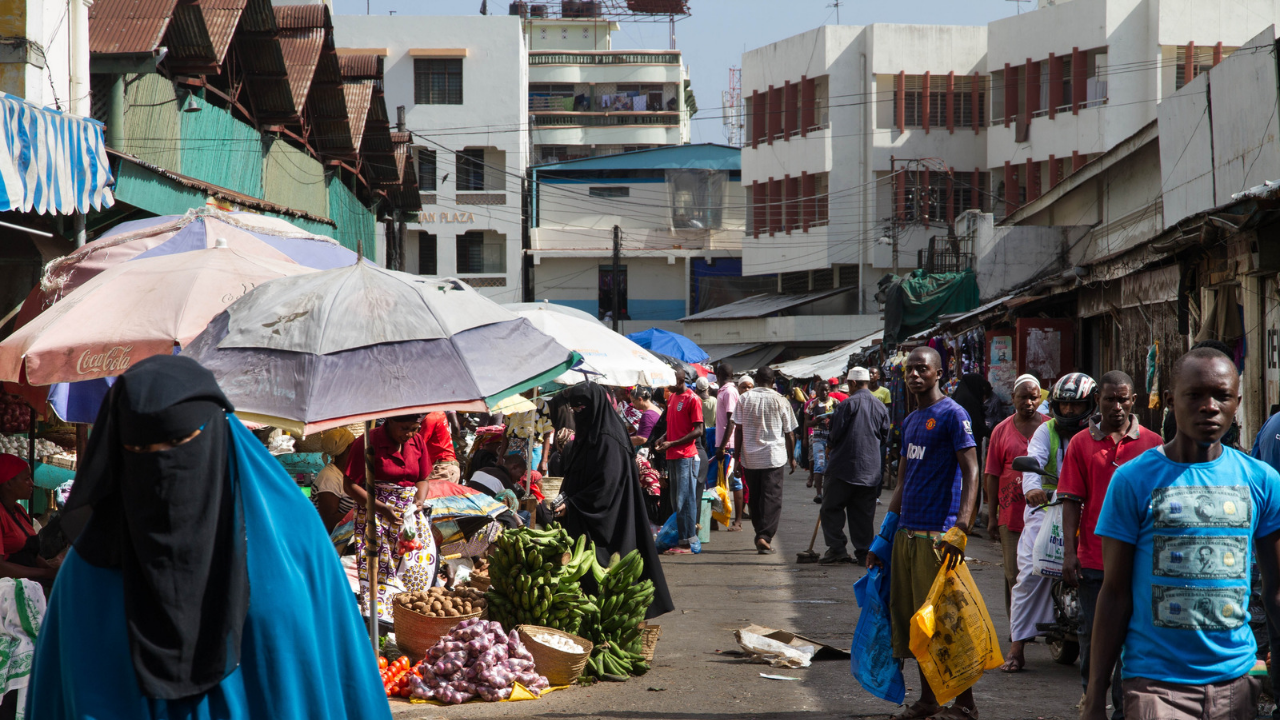
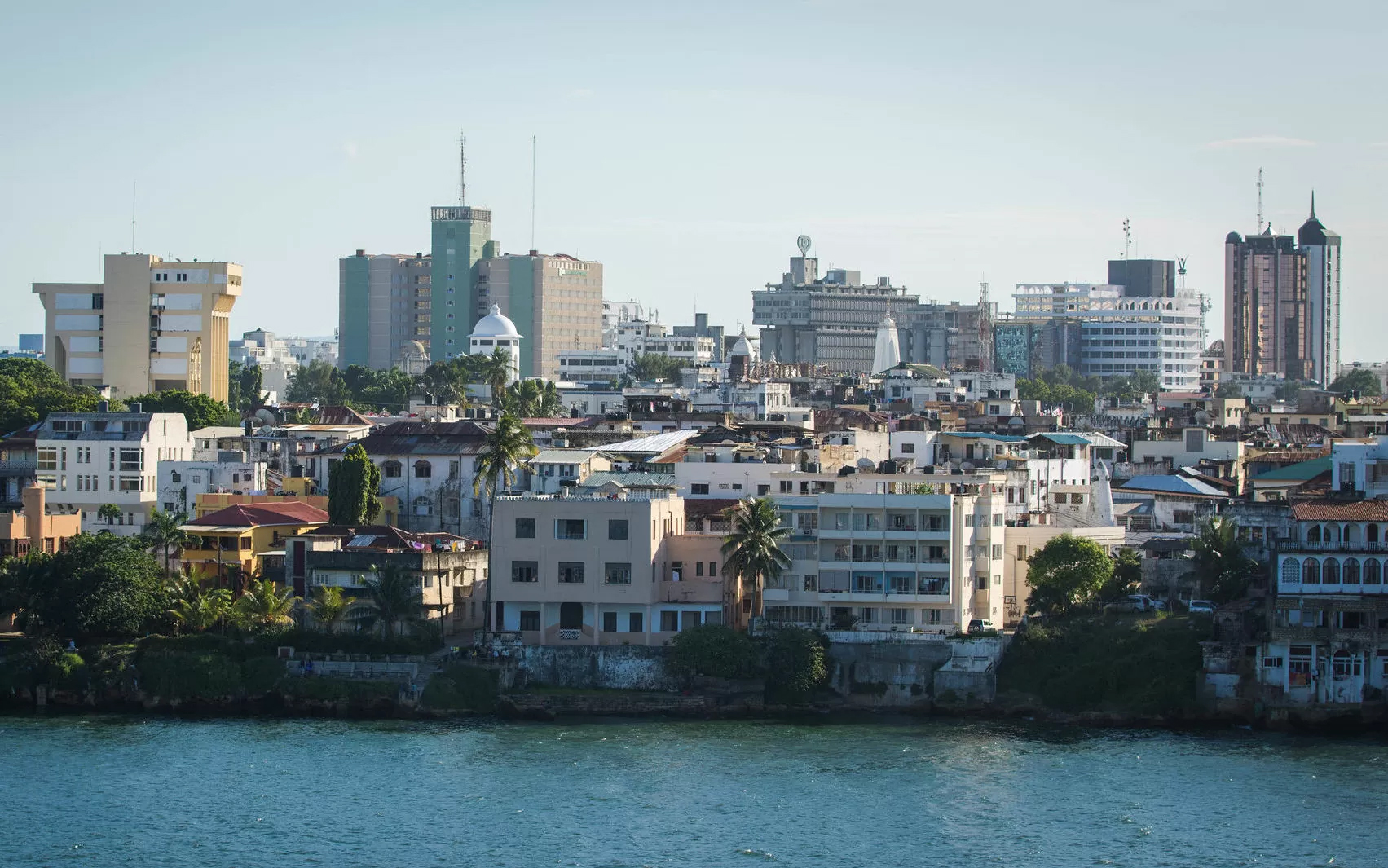
As East Africa’s oldest and largest port city, it has been a crossroads of cultures for centuries … Arab, Persian, Indian and European influences are still visible in its architecture, cuisine and street life. The historic Old Town, is worth a wander after dinner, with its carved wooden doors, narrow lanes and bustling waterfront telling stories of a city that has always looked outward to the sea.
Mombasa to Watamu
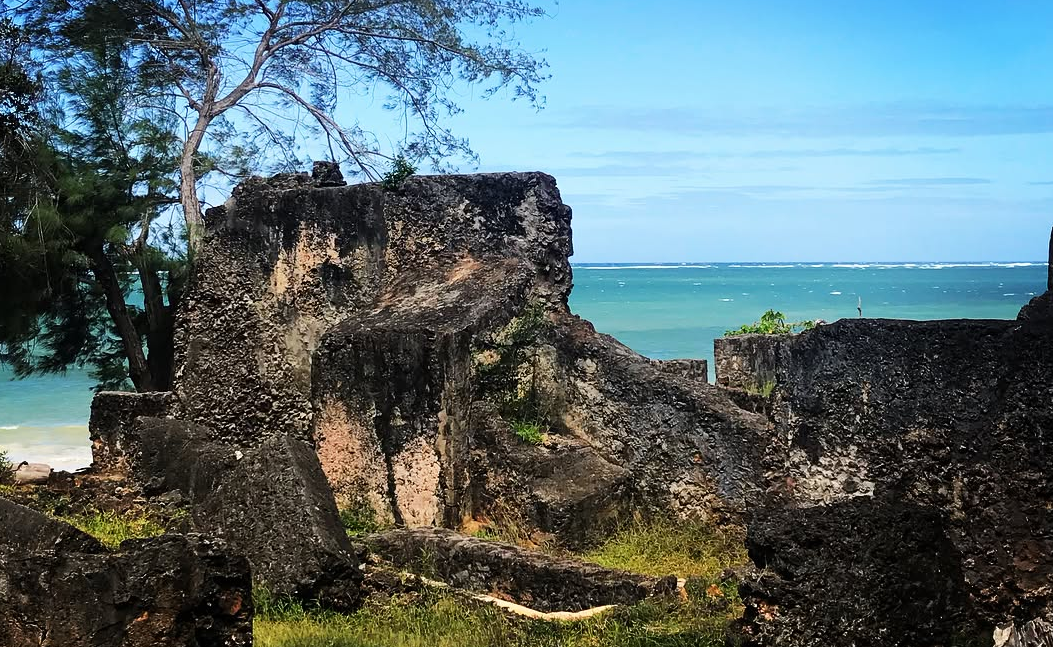
Jumba la Mtwana means “the large house of the slave” in Swahili; within the site, four mosques, a tomb and four houses have survived in recognisable condition. Built in the 14th century, the town was abandoned in the early 15th century for reasons that remain unclear. Its ruins are among the most evocative Swahili sites on the coast.
The plantation area near Mnarani connects the region’s historical role as a trading hub with the agricultural activity still taking place there today. It’s a fitting final stop, showing how trade and economy along the coast have evolved over centuries — from historic Swahili commerce to present-day plantation farming.
Duration: 3 days / 2 nights
Transportation: Included, with an experienced guide
Treatment: Included
Accommodation: Not included, will be arranged, according to individual preferences
Prices
- Adults: from EUR 500
- Children: from EUR 300
Things to bring
- Comfortable shoes
- Beachwear
- Camera or smartphone
- Sunscreen and sunglasses
- A little wanderlust